
Embarking on a project involving equipment or architectural structures often brings us to a crucial juncture: should we inject new vigor into the old or usher in the new? This decision isn't just about preference; it's about understanding the intricate balance between maintaining the essence of the existing and embracing the efficiency of the new. At OFScorp, we specialize in guiding this decision-making process.
Our expertise lies in helping you discern the most beneficial path for your unique scenario, ensuring your choice between refurbishing equipment and replacing equipment not only aligns with your goals but also enhances the value, functionality, and aesthetics of your project. Join us in this blog as we delve into the factors that define this pivotal choice, setting the stage for informed decisions and successful outcomes.
Grasping the Essence of Refurbishment: A Foundation for Decision-Making
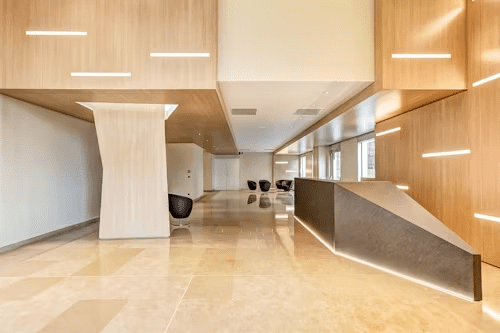
Navigating the choice between replacement and refurbishment begins with a clear understanding of what true refurbishment entails, especially when it involves the delicate intricacies of wood and metal structures. Refurbishment is more than just a surface-level touch-up; it's a meticulous craft aimed at reviving the very essence of these materials, restoring their functionality, aesthetics, and structural integrity.
Refurbishment performed by expert artisans is comprehensive, involving not just cleaning and repairing, but also sophisticated techniques like custom staining, precision painting, and color blending. It's about honoring the history embedded in every grain and metallic sheen while aligning them with modern durability and design sensibilities—whether it's reviving the historic elegance of an oak door, refurbishing a worn-out conference table to its former glory, or halting the oxidation process on a cherished metal piece.
With this foundational knowledge, the decision-making process becomes a thoughtful deliberation, balancing the historical and emotional significance of the object or structure with practical considerations of cost, sustainability, and functionality.
Evaluating Condition: Signs It's Time To Replace or Refurbish
Determining whether replacing or refurbishing equipment is the right choice for you requires a keen assessment of the item or structure's current condition. This evaluation is pivotal, guiding you toward a decision that aligns with practicality, aesthetics, and historical reverence. Below, you can find the key signs to consider when faced with this decision.
When To Refurbish Equipment:
- Historical Significance: If the piece holds considerable historical or sentimental value, refurbishment is often the best route to preserve its legacy while renewing its appearance and structural soundness. For example, an iconic, hand-carved wooden pulpit in a century-old church shows signs of wear. Its historical significance makes refurbishment the ideal choice to preserve its legacy and intricate craftsmanship while restoring its sturdiness and sheen.
- Surface-Level Deterioration: When issues are primarily cosmetic, such as scratches on metal or fading on wood, refurbishment can effectively restore the piece's aesthetics, breathing new life into its appearance while retaining the original structure. For example, a classic wrought iron gate leading to a family home is structurally sound but displays rust and paint chipping. Refurbishment, including rust treatment and repainting, can revive its elegance and ensure many more years of welcoming visitors.
- Integrity of Structure: If the core framework of the item is sturdy and intact, despite surface-level wear, refurbishing equipment or a structure can revitalize its look and functionality without the complexities and costs associated with a full replacement. For example, a prestigious university's decorative wood paneling in the main hall is scuffed and dulled from years of use but remains robust and free from major damage. Refurbishing the paneling, involving sanding and refinishing, can restore its luster and honor the heritage without the need for a full replacement.
When Replacement Might Be the Better Option:
- Extensive Damage or Deterioration: If the structure is severely compromised, posing safety risks or functional deficiencies, replacing it might be more cost-effective and safer in the long run. For example, a residential staircase has several broken steps and a wobbly handrail after decades of use, posing a safety risk. Replacement is the safer option to ensure the staircase meets modern safety standards and provides secure passage.
- Outdated Functionality: In cases where the piece no longer serves its intended purpose efficiently or fails to meet modern standards, replacing it with a more contemporary and functional option might be the best course of action. For example, an old HVAC system in a commercial building is frequently broken down and inefficient, leading to high energy bills and discomfort. Replacing it with a new, energy-efficient system offers improved functionality and long-term cost savings.
- Prohibitive Restoration Costs: If the cost of refurbishment approaches or exceeds the value or cost of a new item, especially when considering long-term maintenance and performance, replacement might be the more practical choice. For example, a vintage car requires extensive work to restore it to operational condition, but the cost of authentic parts and specialized labor far exceeds the vehicle's value. Replacing the vehicle might be more financially prudent while fulfilling the need for reliable transportation.
By clearly distinguishing between surface-level deterioration and overall structural soundness, you can make a more informed decision on whether refurbishing equipment will suffice or if replacement is warranted.
Environmental Considerations: Sustainability in Your Choice
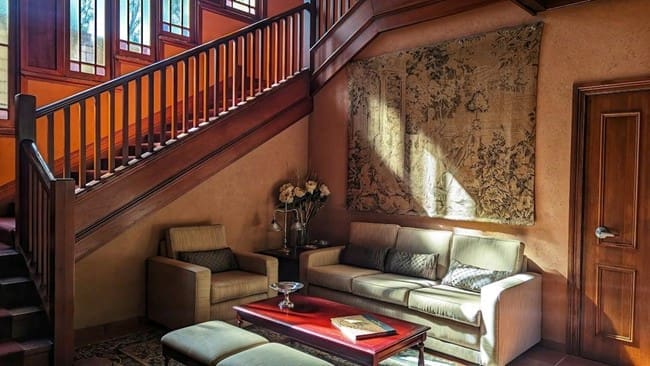
In today's world, the decision between replacing and refurbishing isn't just about aesthetics or cost—it's increasingly about the environmental impact of your choice. Both paths offer distinct implications for sustainability, and understanding these can guide you toward a decision that aligns with eco-conscious values.
Sustainability Through Refurbishment
Refurbishing wood and metal structures is inherently an environmentally friendly choice. By choosing to refurbish, you extend the life of existing materials, reducing waste and the demand for new resources. This process minimizes the carbon footprint associated with manufacturing new items, as it typically requires less energy and fewer resources. Furthermore, refurbishment can often be carried out locally, decreasing the transportation emissions associated with sourcing new materials or pieces.
Environmental Impact of Replacement
On the other hand, replacement often involves the production of new items, which can have a significant environmental cost. The manufacturing process consumes raw materials and energy, and it generates emissions and waste. However, if replacement is necessary, considering eco-friendly options or choosing manufacturers who practice sustainable production methods can mitigate these environmental impacts. Modern, energy-efficient models or sustainably sourced materials can offer longevity and reduced energy consumption in the long run, aligning with a commitment to environmental stewardship.
Key Takeaway: Balancing the desire to preserve with the necessity to innovate, all while keeping eco-conscious principles in mind, leads to choices that benefit both our personal spaces and the planet.
Charting Your Course With OFScorp
Navigating the decision between refurbishing equipment or structures and replacing them is a journey that requires careful consideration, expert insight, and a commitment to quality. At OFScorp, we stand ready to guide you through this crucial decision-making process with our industry-leading expertise and a deep understanding of the nuances involved in both refurbishment and replacement.
Our dedication to craftsmanship, attention to detail, and a rich history of success in various sectors, from commercial properties to educational institutions, position us uniquely to provide you with the support and solutions you need. We invite you to connect with us and explore how our tailored services can bring your vision to fruition.
Contact Us Today